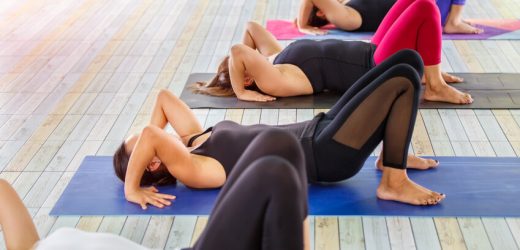

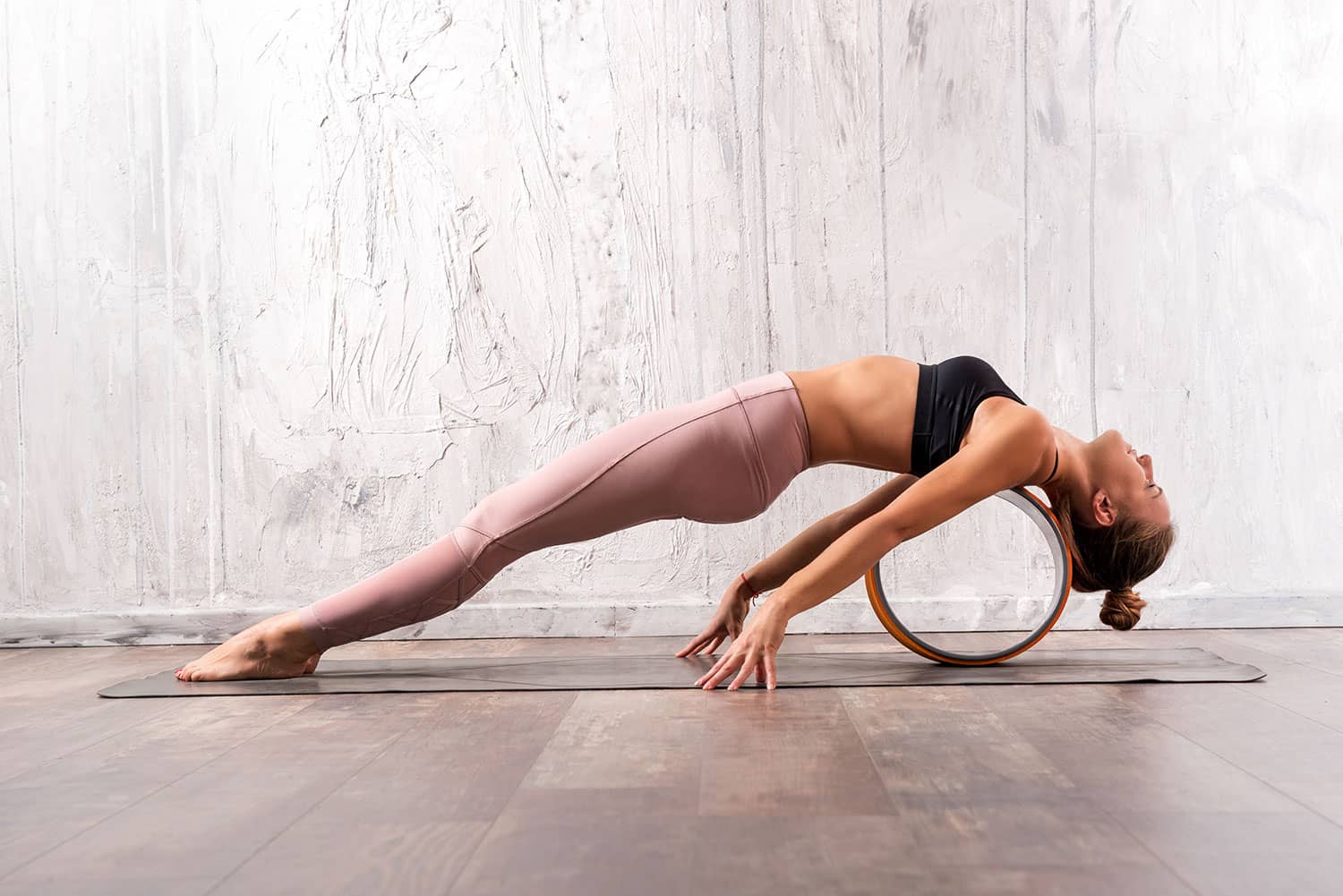
Backbends and heart openers can be both invigorating and intimidating, especially for practitioners navigating spinal tightness or chest restriction. This is where the versatile yoga wheel becomes a game-changer. Designed as a supportive and dynamic prop, the yoga wheel helps unlock deeper spinal flexibility, enhance alignment, and reduce the risk of strain while advancing your practice.
Whether you’re an intermediate practitioner aiming to refine your urdhva dhanurasana or someone who simply wants to decompress after long hours at a desk, the yoga wheel offers structural support and therapeutic benefits. Let’s explore how it truly transforms backbends and heart openers, safely and effectively.
Understanding the Spine: Why Flexibility Matters
Your spine is not just a column of bones, but a complex structure that supports movement, stability, and nerve transmission. Flexibility in the thoracic spine (mid-back) and shoulders is particularly important for postures that involve extensions like camel pose or wheel pose.
Limited spinal mobility often leads practitioners to compensate by overextending the lower back, causing discomfort or even injury. To perform safe and effective backbends, you need gradual, supported opening of the entire spine, especially through the thoracic region. This is where the yoga wheel offers targeted assistance.
How the Yoga Wheel Enhances Spinal Extension
A. Controlled Chest Opening
The curvature of the yoga wheel allows for a smooth and controlled chest opening. Lying back onto the wheel encourages a gentle, passive stretch in the sternum, pectorals, and intercostal muscles. Unlike unsupported backbends, this method prevents compression in the lower back.
B. Active Spinal Mobility
When used dynamically, such as rolling up and down the back, the yoga wheel mobilises the spine segment by segment. This activates the smaller stabiliser muscles along the spine, helping build control and resilience in extension-based postures.
C. Precise Alignment
The structure of the wheel naturally encourages symmetry. Since you’re working with a fixed, centred prop, your body aligns itself more evenly. This helps reduce muscular imbalance and ensures each side of the body is stretching equally.
Top Backbend Poses Supported by the Yoga Wheel
Let’s look at some poses where the yoga wheel can provide exceptional value.
1. Supported Bridge Pose (Setu Bandhasana)
-
Begin lying on your back with the yoga wheel positioned beneath your sacrum.
-
This variation gently elevates the hips and opens the front body.
-
Ideal for warming up the spine and releasing lower back tension.
2. Reclining Hero Pose (Supta Virasana) on the Wheel
-
Sit in hero pose and slowly recline back onto the wheel.
-
This version offers deep quadriceps, abdominal, and chest opening.
-
Easier on the knees than traditional supta virasana due to elevation.
3. Wheel-Assisted Camel Pose (Ustrasana)
-
Stand on your knees and place the wheel behind your back.
-
Reach back to grasp the wheel as you arch your spine.
-
Offers a stable grip and helps with fear of falling back.
4. Upward Bow/Wheel Pose (Urdhva Dhanurasana)
-
For advanced practitioners, the yoga wheel can help in lifting into full wheel.
-
Place it under the upper back or wrists for added support.
-
Encourages a more even curve across the spine.
Backbend Progressions Using the Yoga Wheel
The wheel can be integrated into your practice progressively to build both strength and flexibility.
Phase 1: Restorative Use
-
Focus on passive stretching by lying back on the wheel for 3–5 minutes daily.
-
Ideal for complete beginners or those with tight shoulders and mid-back.
Phase 2: Dynamic Rollouts
-
Incorporate controlled rolling to massage the spine.
-
Engage core and glutes to protect the lower back while exploring range of motion.
Phase 3: Pose Integration
-
Use the wheel to deepen poses like dhanurasana or urdhva dhanurasana.
-
Begin transitioning from supported to unsupported versions as confidence grows.
Breath and Mindfulness in Wheel-Backbends
The yoga wheel encourages slower, deeper breathing. When the chest expands over the curve of the wheel, it makes more room for the lungs to expand. This deeper breath facilitates parasympathetic nervous system activation, reducing stress and increasing relaxation during intense heart openers.
Incorporating mindfulness into your practice ensures that each movement is purposeful. Instead of rushing into poses, the wheel gently guides you to pause, feel, and respond to what your body needs.
Safety Tips for Spinal Flexibility Training
While the yoga wheel is an excellent tool, mindful practice is key. Follow these safety considerations:
-
Warm up thoroughly before deeper stretches.
-
Avoid bouncing or jerking into wheel-supported positions.
-
Support the head and neck if you feel strain.
-
Engage the glutes and thighs during backbends to protect the lower back.
-
Breathe continuously through the stretches rather than holding your breath.
If you’re ever unsure, attending a guided session at Yoga Edition can provide instructor-led support with form and progression.
Real-Life Applications: Who Benefits Most from Yoga Wheel Backbends?
The yoga wheel is particularly beneficial for:
-
Office workers experiencing upper back tightness
-
Beginners learning foundational backbends
-
Advanced yogis working on full-wheel or dropbacks
-
Athletes and dancers seeking more thoracic mobility
-
Elderly practitioners needing a gentler entry point
It’s a universally adaptable tool that suits all body types and flexibility levels. Whether you’re dealing with postural issues or simply looking to amplify your practice, this prop can support your goals.
Frequently Asked Questions (FAQ)
Q. Can I use the yoga wheel if I have back pain?
A. Yes, but only under guidance. The yoga wheel can support gentle mobilisation of the spine and release tension. However, it should be avoided during acute flare-ups or disc-related injuries unless approved by a physiotherapist.
Q. How often should I practise with the yoga wheel for backbends?
A. Start with 3 times per week for 10–15 minutes. Consistency is more important than intensity. As your spine becomes more open, you can integrate it into daily flows.
Q. What’s the difference between using a yoga block and a yoga wheel for backbends?
A. A yoga block is static and best for precision-based alignment or passive support. The yoga wheel is dynamic and better suited for flowing movement, rolling massages, and deeper heart openers.
Q. Is the yoga wheel suitable for elderly practitioners or those with arthritis?
A. With care, yes. The yoga wheel allows gentle back support and mobility exercises. Ensure it’s used on a padded surface and under supervision if mobility is limited.
Q. Can I use the yoga wheel in heated yoga or power classes?
A. Absolutely. The wheel can help in warming up the spine and deepening your stretches during vinyasa or hot classes. Just ensure your grip is secure, as sweat can make the surface slippery.